The Ultimate Guide to Kid Bunk Beds: Navigating Safety, Style, and Function
Bunk beds have long been a popular choice for children's rooms, particularly in homes where area is restricted. These versatile pieces of furniture not only make the most of the readily available area however likewise include a spirited and daring component to a child's bed room. Nevertheless, choosing the right bunk bed can be a challenging job, given the variety of choices and the importance of safety. This guide aims to provide moms and dads with extensive info on kid bunk beds, covering whatever from design factors to consider to safety ideas and frequently asked questions.
The Benefits of Bunk Beds
Space Efficiency
- Bunk beds are perfect for small spaces or homes with restricted space. They permit 2 children to oversleep the very same area that would usually accommodate only one bed.
- This can be especially helpful in shared bed rooms, rental properties, or homes with multiple children.
Affordable
- Purchasing a bunk bed is frequently more cost-efficient than buying two separate beds, specifically when considering the additional storage and functional functions lots of bunk beds use.
- They are likewise an excellent investment for growing households, as they can be utilized for several years to come.
Encourages Independence and Responsibility
- Bunk beds can help children establish a sense of self-reliance and responsibility. Each child has their own designated area, which can motivate them to keep their area neat and arranged.
- Climbing to the top bunk can be an enjoyable and rewarding experience, fostering a sense of accomplishment and self-confidence.
Versatile Design Options
- Bunk beds are available in a vast array of styles, from standard to modern-day, and can be tailored to fit any room's visual.
- Some bunk beds even provide extra features like study desks, storage drawers, and play locations, making them a multifunctional piece of furniture.
Factors to Consider When Choosing a Kid Bunk Bed
Safety
- Guardrails: Ensure that the bunk bed has strong guardrails on the top bunk to avoid falls. The rails must be at least 5 inches high and safely attached.
- Stability: The bed must be stable and not wobble when climbed up. Try to find beds with a strong frame and enhanced joints.
- Mattress Fit: Choose a mattress that fits the bed frame snugly to avoid spaces that could present a risk to children.
- Age Appropriateness: The American Academy of Pediatrics recommends that children under the age of 6 ought to not sleep on the leading bunk due to the risk of falls.
Product and Durability
- Wood: Wood is a popular choice for bunk beds due to its toughness and natural appeal. Solid wood beds are usually more costly however offer outstanding durability.
- Metal: Metal bunk beds are strong and resistant to use and tear. They are frequently more cost effective than wood however might not have the very same aesthetic appeal.
- Composite Materials: Some bunk beds are made from composite materials, which can be a cost-effective and lightweight choice. Nevertheless, guarantee that these products are of high quality and do not compromise security.
Design and Style
- Modern vs. Traditional: Modern bunk beds often feature smooth, minimalist designs, while standard beds may have more elaborate detailing. Consider the overall style of your child's room when selecting a design.
- Themed Bunk Beds: Themed bunk beds, such as those developed to look like castles, spaceships, or treehouses, can include an enjoyable and creative aspect to a child's room.
- Functional Features: Look for bunk beds that provide additional functions like storage drawers, integrated desks, or slide-out rotates to optimize utility.
Assembly and Maintenance
- Reduce of Assembly: Choose a bunk bed that features clear and concise assembly guidelines. Some beds might need expert setup, which can be an included cost.
- Upkeep: Regular maintenance, such as tightening up bolts and looking for wear, is vital to guarantee the bed remains safe and safe and secure. Choose beds that are simple to preserve.
Popular Styles and Features
Conventional Bunk Beds
- Ladder Placement: Traditional bunk beds often have ladders on the side, which can be much easier for children to climb up. Ensure the ladder is well-secured and has large, non-slip actions.
- Guardrails: Look for beds with adjustable guardrails that can be raised or lowered as required.
Loft Bunk Beds
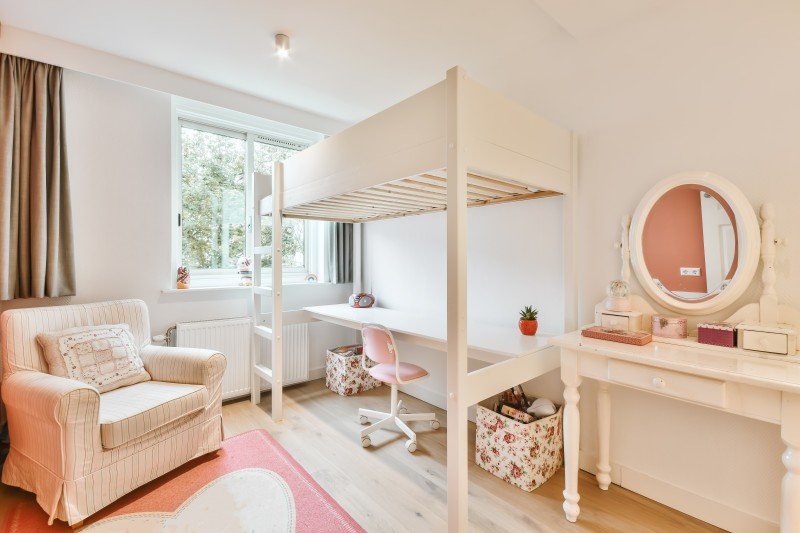
- Bottom Bed Alternatives: Loft beds frequently have a desk, storage system, or play location rather of a bottom bed. This can be an outstanding choice for older children who require more study area.
- Under-Bed Storage: Many loft beds come with built-in drawers or racks, supplying additional storage for toys, books, and other products.
Twin Over Full Bunk Beds
- Size Flexibility: These beds use a twin bed on the top and a full-sized bed on the bottom, making them ideal for children of different ages or for hosting sleepovers.
- Weight Distribution: Ensure that the bed is created to handle the weight distribution of a twin and a full bed. The frame must be durable enough to support both bed mattress.
Tri-Bunk Beds
- Triple the Space: Tri-bunk beds have 3 levels, typically with a trundle bed beneath. This can be a terrific option for families with three children or frequent overnight guests.
- Stability: Given the additional height, stability is a lot more critical. Make sure that the bed has a strong frame and well-secured guardrails.
Security Tips for Kid Bunk Beds
Supervision
- Constantly monitor young kids when they are utilizing a bunk bed, especially when they are very first getting used to it.
- Teach children the correct method to climb the ladder and use the guardrails.
Regular Inspections
- Conduct regular inspections of the bed to inspect for loose bolts, shaky parts, or any signs of wear and tear.
- Tighten all bolts and screws at least when a month to ensure the bed stays safe.
Bed Mattress Size and Fit
- Utilize a mattress that is the right size for the bed and fits comfortably within the frame to prevent any gaps.
- Avoid utilizing soft or memory foam bed mattress on the top bunk, as they can increase the danger of falls.
Bed Linen and Accessories
- Usage bedding that fits the mattress safely to prevent slipping or bunching.
- Consider using a bed rail with a detachable cover for easy cleansing.
FAQs About Kid Bunk Beds
Q: Are bunk beds safe for young kids?
- A: The American Academy of Pediatrics recommends that children under the age of 6 ought to not sleep on the leading bunk due to the danger of falls. It's crucial to select a bed with durable guardrails and a stable ladder.
Q: How can I make the leading bunk more available?
- A: Consider using an action stool or a ladder with broader actions to make the top bunk easier to climb up. Ensure that the ladder is safely attached to the bed and that the steps are non-slip.
Q: What should I try to find when purchasing a bunk bed?
- A: Look for a bed that is strong, has strong guardrails, and is made from premium products. Think about the style and functionality, in addition to the size and fit of the bed mattress. Always pick a bed that satisfies safety requirements.
Q: How do I select a bed mattress for a bunk bed?
- A: Choose a bed mattress that fits the bed frame snugly and is proper for the bed's measurements. Avoid utilizing thick or soft mattresses on the top bunk to reduce the risk of falls. Memory foam and latex are great options for the bottom bunk due to their convenience and support.
Q: How can I make the bottom bunk more comfy?
- A: Use a comfy mattress and think about adding a platform or slats to supply extra assistance. You can likewise utilize an under-bed trundle for additional sleeping area or storage.
Q: What are some creative ways to utilize bunk beds?
- A: Bunk beds can be tailored with themed decor, such as curtains, bed canopies, and themed bedding. julietlarson.top can also include a desk or play location to the bottom bunk to produce a multifunctional area.
Q: How do I keep a bunk bed?
- A: Regularly examine the bed for any loose parts or indications of wear. Tighten all bolts and screws a minimum of when a month. Clean the bed and its elements with a soft fabric and moderate detergent as needed. Prevent using harsh chemicals that could harm the wood or metal.
Kid bunk beds are an outstanding service for optimizing area, fostering independence, and including a touch of fun to a child's room. By considering factors such as safety, product, design, and upkeep, parents can select the best bunk bed for their children. Whether you choose a standard, loft, twin over complete, or tri-bunk bed, the ideal option will provide years of comfort and safety for your little ones.
Extra Resources
- Customer Product Safety Commission (CPSC): An important resource for bunk bed safety requirements and guidelines.
- American Academy of Pediatrics (AAP): Offers suggestions and safety tips for children using bunk beds.
- Online Reviews and Testimonials: Reading reviews from other moms and dads can provide insights into the quality and performance of various bunk bed models.
By following these standards and suggestions, you can make sure that your child's bunk bed is both safe and enjoyable, producing a cozy and functional space that they will like for several years to come.